Another essential aspect of gun safety is keeping your finger off the trigger until you are ready to shoot. This simple practice can prevent accidental discharges and potential injuries. Always be aware of your target and what lies beyond it. This means knowing your surroundings and ensuring that you have a clear shot, as well as a safe backstop, to prevent stray bullets from causing unintended harm.
Education is also a key component of gun safety. Familiarize yourself with your firearm and its specific safety features, including how to safely load and unload it. Attend hunting safety courses, which provide valuable information on responsible hunting practices and equipment maintenance. By increasing your knowledge, you can better protect yourself and your fellow hunters.
Finally, remember that proper storage of firearms is essential. When not in use, guns should always be stored in a locked cabinet or safe, out of reach of children and unauthorized individuals. Utilize gun locks and ensure that ammunition is stored separately. By prioritizing responsible storage and care, you contribute to a safer hunting environment for everyone.
Proper Handling and Storage Techniques
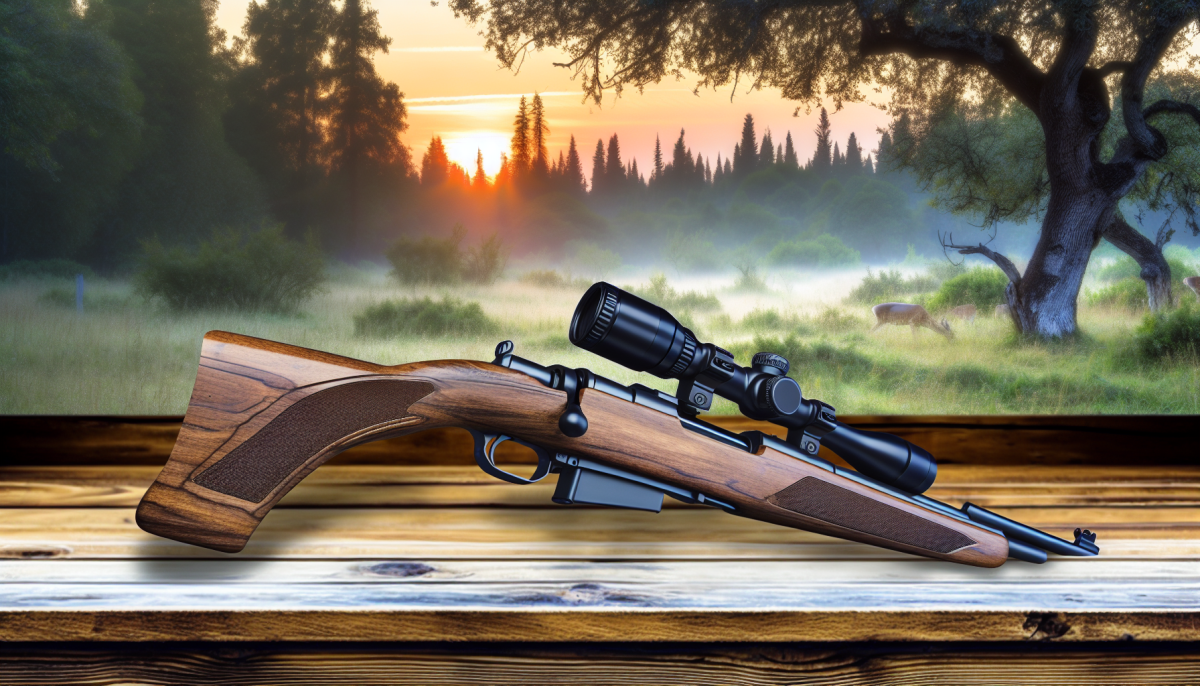
When it comes to hunting, safety doesn't just begin and end in the field; it extends to how you handle and store your firearms. Proper handling techniques are crucial to ensure everyone’s safety while out hunting and at home. Always treat your gun as if it is loaded, even if you are sure it isn’t. This mindset promotes a safety-first approach and helps prevent accidental discharges.
After use, always aim to keep your firearm pointed in a safe direction. When you are done hunting for the day, unload your weapon before transporting it. Make it a habit to check and verify that your gun is unloaded before storing it in a secure place. Remember, the three basic rules of gun safety are to keep the gun pointed in a safe direction, keep your finger off the trigger until ready to shoot, and know your target and what is beyond it.
Storage is an equally important aspect of gun safety. Invest in a secure gun cabinet or safe where your firearms can be stored away from children and unauthorized users. Ensure that the storage area is cool, dry, and easily accessible to you but not to anyone without permission. Using gun locks or trigger locks adds an extra layer of safety, allowing you peace of mind when storing your firearm.
Regular maintenance of your firearm is also an essential component of safe storage. Clean your gun after each use to prevent rust and mechanical problems, which can lead to dangerous failures during use. By following these simple handling and storage techniques, you can significantly reduce the risk of accidents and promote a safer environment for you and those around you.
Choosing the Right Safety Gear
First and foremost, a reliable pair of hearing protection headphones is essential. Gunshots can be very loud, and repeated exposure can lead to permanent hearing damage. Opt for earmuffs or earplugs specifically designed for hunters, as they can help to block out harmful noises while still allowing you to hear important sounds, like an approaching animal or your hunting partner calling to you.
Next, consider investing in blaze orange clothing. This is crucial for visibility, especially during hunting seasons when multiple hunters are in the woods. Wearing blaze orange vests, caps, or jackets makes you more visible to other hunters without disturbing the game. It’s a simple yet effective way to reduce the risk of accidents.
In addition to these basics, don't overlook protective eyewear. Shooting glasses with impact-resistant lenses can protect your eyes from debris and any potential hazards in the environment. They also help with visibility, particularly in bright sunlight or various weather conditions, allowing you to stay focused on your target.
Lastly, consider using a good quality gun case and a gun sling for transport. A secure case will protect your firearm from damage and keep it safe when not in use. A gun sling not only makes carrying your firearm more comfortable but also ensures you have both hands free to navigate through challenging terrain.
Safe Practices While Hunting
Hunting is a thrilling and rewarding activity, but safety must always come first. Before heading out into the field, it's crucial to familiarize yourself with safe practices while handling firearms. Always treat every gun as if it is loaded, even if you believe it's not. This mindset will help instill a sense of caution that will protect you and those around you.
When you're out hunting, always keep your gun pointed in a safe direction. This means keeping the muzzle pointed away from yourself and others, as well as avoiding any obstructions that could cause an unintentional discharge. Additionally, be aware of your surroundings, including the location of other hunters and animals. Always make sure of your target and what lies beyond it before pulling the trigger.
Wearing appropriate eye and ear protection is another essential practice. Even if you are just shooting for practice before the hunt, protecting your vision and hearing can prevent serious injuries. Make it a habit to wear your safety gear from the moment you handle your gun until you've safely stored it away after the hunt.
Finally, consider hunting in groups or bringing along a hunting buddy. This not only makes for a more enjoyable experience, but having another set of eyes can also enhance safety. If you or your buddy are unsure about a shot, it's better to wait and make sure than to risk an accident. Remember, safety is everyone's responsibility in the field.