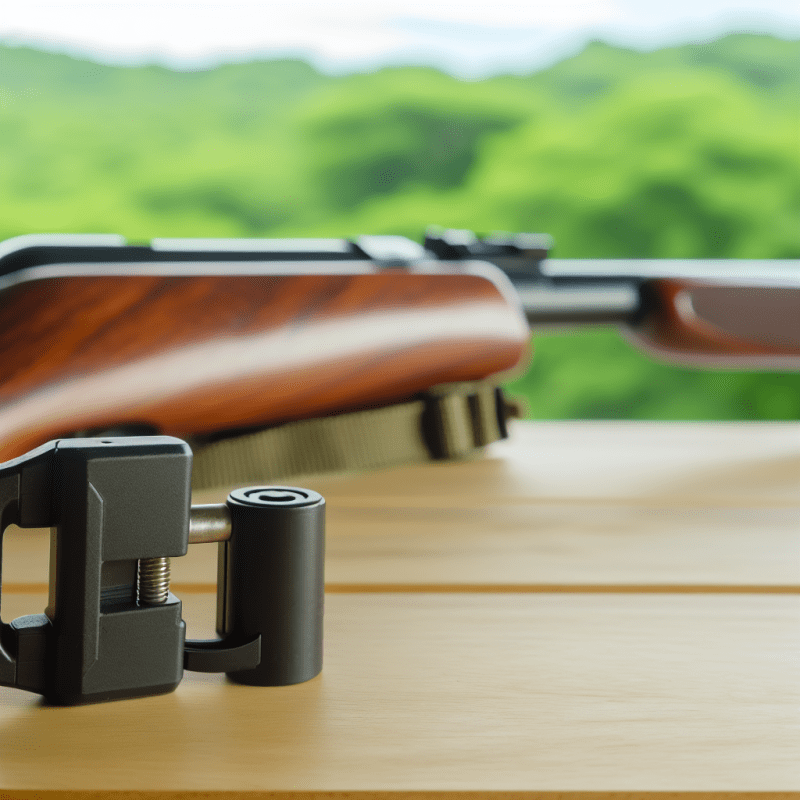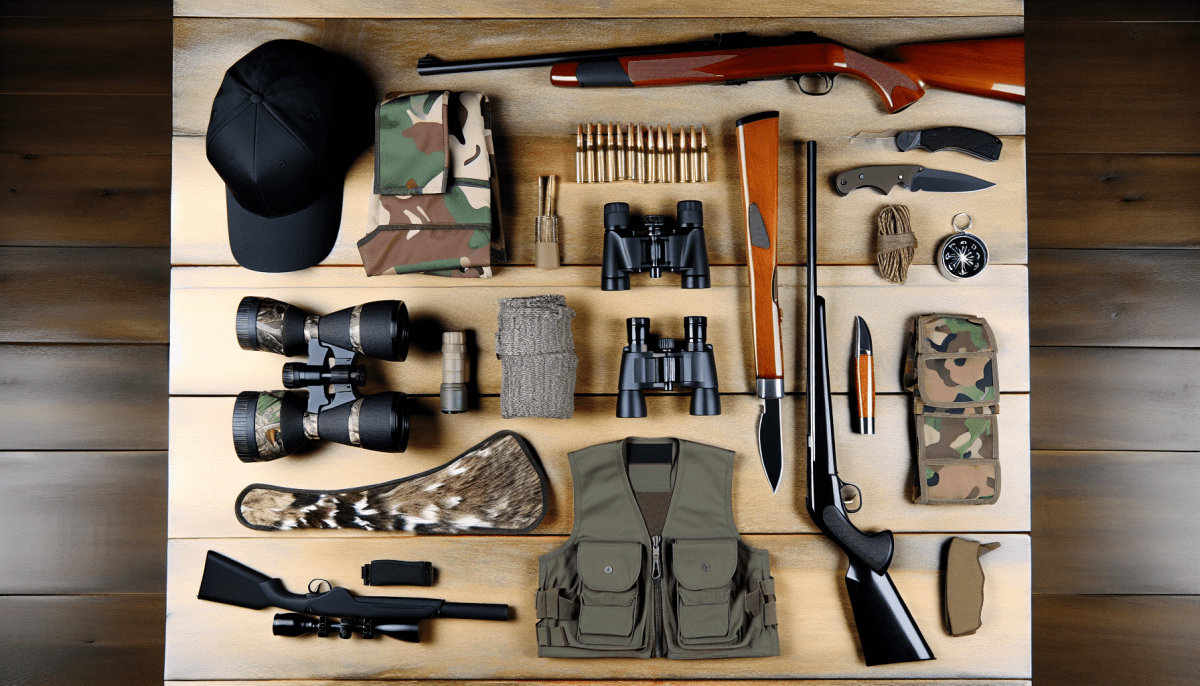
Another factor to consider is the type of terrain you'll be hunting in. If you're in dense woods where shots may be closer and more unpredictable, a shotgun could be an excellent option. Shotguns are versatile and can handle a variety of ammunition types, making them suitable for various small to medium-sized game. On the other hand, if you’re hunting in open fields or mountainous areas, a rifle might give you the accuracy and range you need.
In addition to the type of firearm, you’ll also want to think about your personal comfort and skill level. Some hunters prefer the ease of use and lighter weight of a bolt-action rifle, while others may opt for a semi-automatic for quicker shots when necessary. It’s a great idea to test different models at a shooting range to find out what feels best in your hands and aligns with your shooting style.
Lastly, always remember to factor in the importance of safety and proper training. Whichever firearm you choose, it’s essential to have a good understanding of firearm safety and hunting regulations in your area. Taking a hunting safety course can be beneficial, as it not only ensures you are well-prepared but also enhances your confidence when out in the field.
Must-Have Clothing for Every Season
When it comes to hunting, being prepared for the changing seasons is essential. Each season brings its own set of challenges, and having the right clothing can make a world of difference in your comfort and effectiveness. Here’s a breakdown of must-have clothing for every hunting season.
In the fall, temperatures begin to drop, and layering becomes crucial. Start with a moisture-wicking base layer to keep sweat away from your skin, followed by an insulating mid-layer for warmth. A durable, water-resistant outer layer will protect you from unexpected rain or wind. Don’t forget a good pair of insulated gloves and a warm beanie to keep your extremities cozy, ensuring you stay focused on the hunt.
Winter hunting can be extreme, so your clothing needs to provide maximum warmth while allowing for movement. Look for heavy-duty insulated jackets and pants that are both breathable and waterproof. Layering is still important, but prioritize thermal underwear and thick, wool socks. A good pair of insulated, waterproof boots is vital to keep your feet warm and dry, allowing you to stay out in the field longer.
As spring arrives, the weather can be unpredictable. Lightweight, breathable camo clothing is essential for staying comfortable without overheating. Look for clothing that offers UV protection as you may spend extended hours in the sun. A light but sturdy rain jacket will also come in handy, as spring showers can be frequent and sudden, keeping you dry and focused on your hunt.
Finally, summer hunting requires breathable, moisture-wicking fabrics that will keep you cool. Lightweight camo shirts and shorts are ideal, along with a wide-brimmed hat for sun protection. Long sleeves can protect against insects and sunburn, especially when combined with insect-repellent clothing. Staying hydrated is key, so opt for clothing with pockets that can hold your water bottle or hydration pack.
Essential Tools for Outdoor Safety
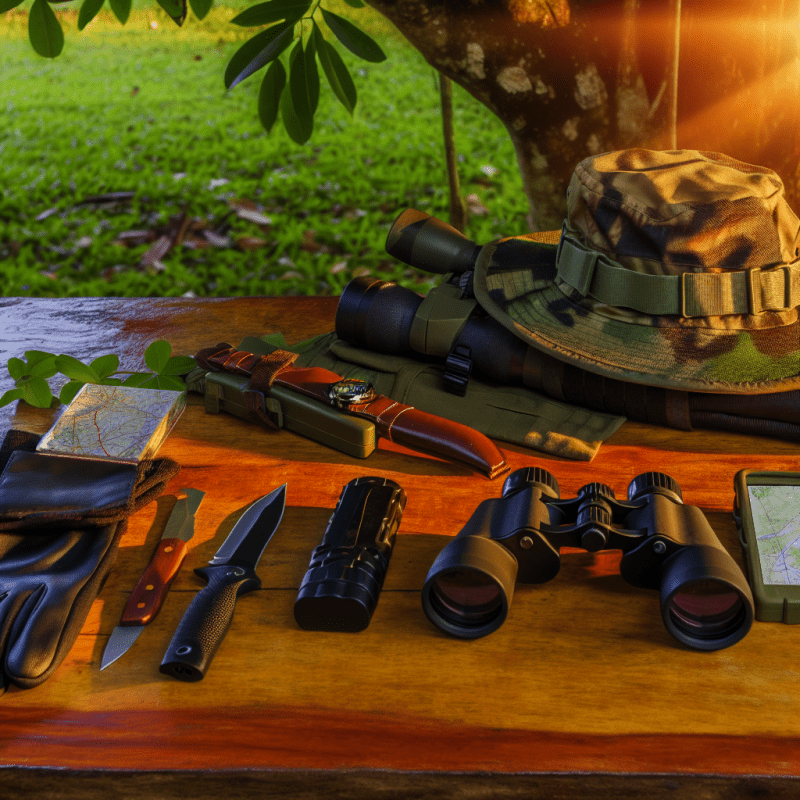
When heading out into the wild, safety should always be your top priority. Whether you're tracking game or simply enjoying nature, having the right tools can make a world of difference. Here are some essential tools every hunter should consider for outdoor safety.
First and foremost, a reliable GPS device is crucial. Getting lost in unfamiliar terrain can pose serious risks, so having a GPS ensures you know exactly where you are at all times. Many modern units come with mapping capabilities, allowing you to chart your course and navigate back home with confidence. Some even offer features like weather updates, which can be a lifesaver in unpredictable conditions.
Next on the list is a good first aid kit. Accidents can happen, and being prepared can help you handle minor injuries on the spot. A well-stocked kit should include bandages, antiseptics, pain relievers, and any personal medications you might need. Regularly check your kit to ensure supplies are up-to-date, and familiarize yourself with its contents so you can respond quickly in an emergency.
Another vital tool to have is a quality hunting knife. Not only is it essential for field dressing game, but it can also aid in various outdoor tasks. Choose a durable, easy-to-handle knife that can withstand rugged conditions. Additionally, having a knife with a sheath can enhance safety by protecting the blade and keeping you safe while it’s not in use.
Finally, don’t forget about proper communication devices. Whether it's a two-way radio or a reliable smartphone with reception, staying connected is vital for safety. You never know when you might encounter trouble or need to share your location with a fellow hunter. By packing these essential tools, you can ensure that your outdoor adventures are both enjoyable and safe.
Gear for Tracking and Locating Game
When it comes to hunting, ensuring you can track and locate game effectively is just as crucial as having the right firearms or clothing. The modern hunter has a variety of gear options that not only increase the chances of a successful hunt but also enhance safety and efficiency in the field.
One of the most popular tools among hunters today is the GPS tracker. These devices can pinpoint your location and track where you've been, making it easier to navigate unfamiliar terrains. Many GPS models come with features such as maps and waypoint marking, allowing you to identify where you've spotted game previously. A reliable GPS can mean the difference between success and coming home empty-handed.
In addition to GPS trackers, trail cameras have become a favorite tech gadget for hunters. These motion-activated cameras are strategically placed near potential game paths, giving you a glimpse of what animals are in the area. By reviewing the footage, you can determine the best times to hunt and even understand the behaviors of different species. Not only is this gear functional, but it can also add excitement as you anticipate the next big find.
Lastly, a quality rangefinder can greatly enhance your shooting accuracy. By measuring the distance to your target, a rangefinder allows you to adjust your shot accordingly, taking the guesswork out of hunting at various ranges. Whether you’re targeting small game or larger animals, knowing the exact distance can help you make ethical shots and improve your overall hunting experience.